
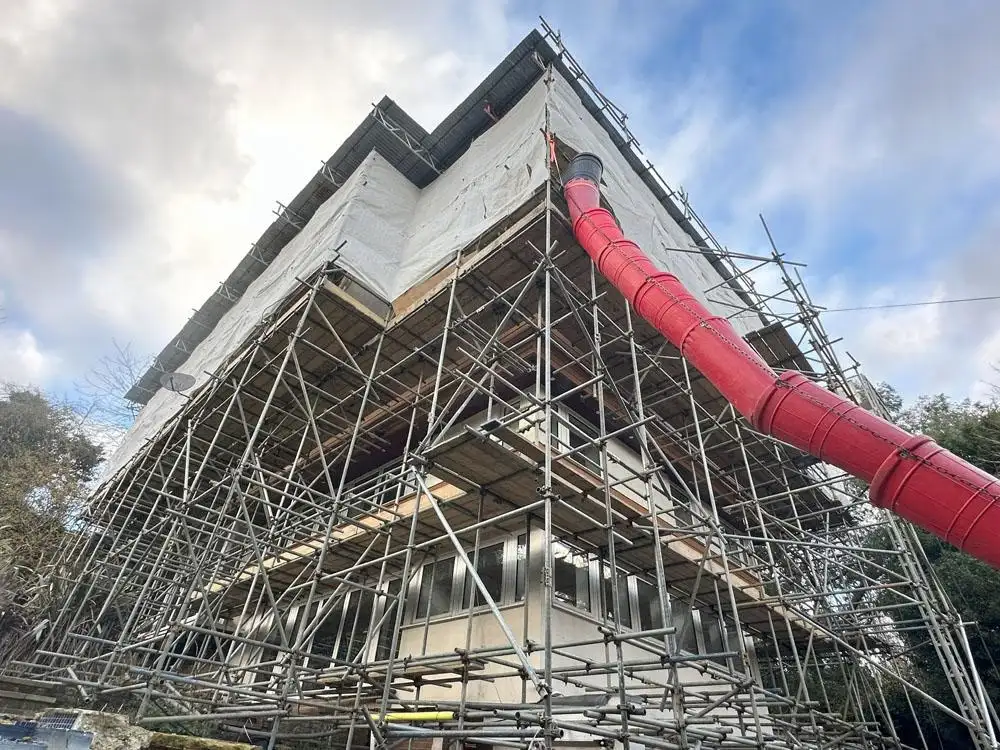
Disaster Recovery Scaffolding
Disaster recovery scaffolding is planned around the rebuilding process after fire, flood, severe weather or impact damage. The access may need to change as a building is assessed, opened up, dried and repaired. Up Top Scaffolding can discuss the scaffold requirements with your contractor or property team once the condition of the site and the responsibilities for the recovery work are understood.
- Free QuoteTell us about your project
- Fully InsuredScaffolding cover
Get a Free Quote
UP TOP SCAFFOLDING
Access after the immediate incident
Recovery is a different stage from an urgent initial make-safe visit. It may involve surveyors, structural engineers, loss adjusters and several repair trades, each needing access at a different point. A scaffold erected for one inspection is not automatically suitable for later strip-out, material handling or roof reconstruction.
The building may also be less predictable than its outward appearance suggests. Fire can affect structural members behind an intact surface, while water or impact can change ground or wall conditions. The condition assessment and any exclusion areas should be shared before a scaffold survey or installation is attempted, so the access plan does not rely on a damaged element without proper consideration.
Disaster Recovery Scaffolding questions, answered.
Straight answers from the Up Top Scaffolding team before you arrange a survey or quote.
Ask us anythingIs disaster recovery scaffolding the same as emergency scaffolding?
An emergency enquiry concerns immediate access or make-safe needs. Recovery scaffolding concerns the subsequent investigation and reinstatement programme, which may have several phases and different access requirements.
Can the scaffold remain while an insurance decision is pending?
Discuss the expected hire period, inspection responsibilities and likely delays at the outset. Any extension needs agreement, and the scaffold still needs to remain suitable and managed while other decisions are pending.
Can temporary cover be included after roof damage?
It can be considered where the structure, support arrangement and design allow it. The need for cover should be part of the initial brief because it changes wind loading and the overall scaffold requirements.
What information is useful after a fire or impact?
Provide the responsible contractor’s details, available condition or engineering reports, safe access instructions and the proposed investigation or repair stages. Do not enter an unsafe area to obtain photographs for an enquiry.
Discuss your site in Dorset or Hampshire
Our Poole base serves projects in Bournemouth, Christchurch and the surrounding Dorset and Hampshire area. Share the site address and the work you need to reach so we can consider the access arrangement for your project.
Plan around investigation and reinstatement
Tell us which parts of the building need to be examined and what the recovery contractor expects to do next. Initial access for a roof survey might be followed by removal of damaged coverings, temporary protection and several repair stages. Setting out those likely phases helps identify the working heights, deck duties and alterations that may be needed.
It is also useful to explain what must remain in use. A partly occupied residential block or trading premises may need protected access, agreed delivery periods and a clear separation from the recovery area. Where the site is fully closed, the focus may instead be on securing the scaffold, controlling access and coordinating the movement of damaged materials.
Coordinate survey, erection and later changes
We discuss the proposed scaffold with the person controlling the recovery works and review the available structural information. The design approach must reflect the actual supports, loads and any coverings. If the building cannot provide dependable ties, that is a design issue to resolve rather than a detail to improvise during erection.
The installation sequence is then coordinated with the site controls and other contractors. Before use, the completed arrangement is inspected and its agreed duties are handed over. Further investigations may reveal additional damage; changes to the repair scope should trigger a review of the access instead of unplanned alterations. Striking is scheduled around completion of the relevant repair stages and any remaining weather protection requirement.
Weather protection and specialist hazards
A temporary roof or enclosure may help protect an exposed building while reinstatement proceeds, but the covering has to be included in the scaffold design. It does not establish that the building is structurally safe or that drying, contamination or hazardous-material issues have been resolved.
Where asbestos, fire residues or contaminated flood materials may be present, the appropriate specialists must determine how the work is controlled. Scaffold access is one part of that wider plan. We do not present recovery scaffolding as a substitute for structural assessment, licensed work or the repair contractor's responsibilities, and no particular insurer arrangement should be assumed without agreement.
Related access for your project
Consider emergency scaffolding services, temporary roofs and full building encapsulation at the appropriate stage. Facilities management teams can coordinate the access brief with the wider recovery programme.
Verified Feedback
What Our Clients Say
Read verified reviews from customers across Dorset & Hampshire.
Request a disaster recovery scaffolding quote
Send photographs, the proposed work dates and any available drawings with your enquiry. Tell us about access restrictions and the intended hire period. Use the quote form to discuss the next step for your site.