
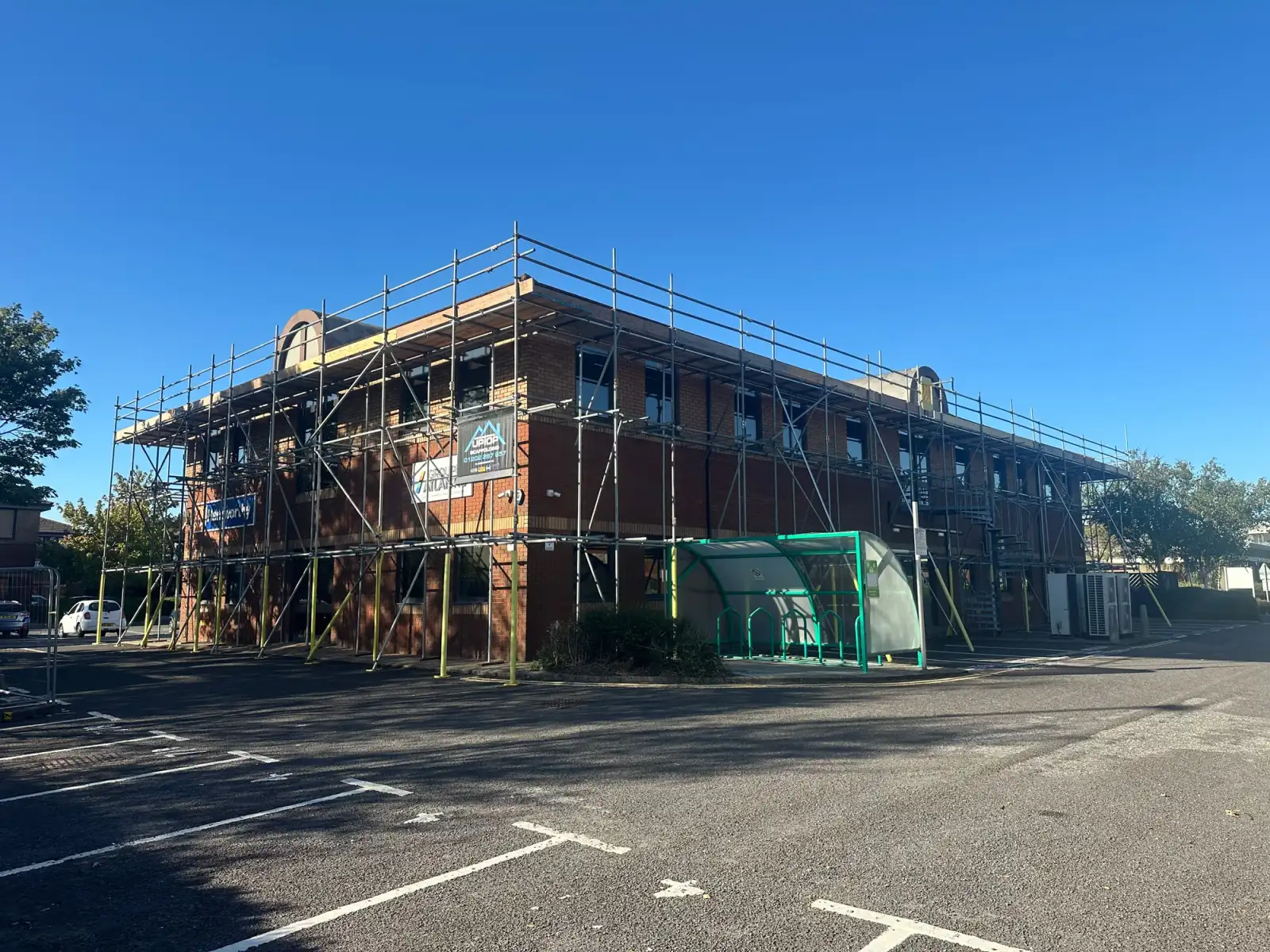
Dockyard Scaffolding
Dockyard Scaffolding supports access to quays, dock buildings and port structures where ground conditions and operating movements need particular attention. It differs from scaffold built around a boat: the permanent waterfront infrastructure is the main work area. For projects around Poole Harbour and the wider coast, Up Top Scaffolding can discuss the access brief and the information needed to assess a suitable arrangement, without assuming port permissions or specialist approvals.
- Free QuoteTell us about your project
- Fully InsuredScaffolding cover
Get a Free Quote
Understand the structure beneath the access
A paved quay can conceal service ducts, voids, old construction or edges with limited load capacity. Before a scaffold arrangement is selected, the owner should provide available information about the structure and permitted loading. The apparent strength of a concrete surface is not enough to justify scaffold foundations. The assessment may need input from the person responsible for the quay or permanent works.
Work on dock walls, edge beams, fenders and adjacent buildings can require very different access positions. Explain which face of the structure needs attention and whether the working area is above water, behind an operational edge or within a building. The design brief should distinguish access loading from plant, materials and any lifting operation associated with the maintenance work.
Dockyard Scaffolding questions, answered.
Straight answers from the Up Top Scaffolding team before you arrange a survey or quote.
Ask us anythingIs a quay surface automatically suitable for scaffold standards?
No. Bearing capacity, hidden voids, services and edge conditions need consideration. Available structural information and the proposed loads should be reviewed before the foundation arrangement is accepted.
How does dockyard access differ from boat scaffolding?
Dockyard access focuses on quays, port structures and associated infrastructure. Boat scaffolding follows a vessel and its support or berth conditions. Some projects involve both, but their constraints should remain explicit.
Can scaffold be altered to suit a vessel arrival at short notice?
Any alteration needs assessment and competent execution. Share vessel movement windows during planning so the scaffold arrangement and operational programme do not depend on improvised changes.
Who arranges access permission within a working port?
Responsibilities need agreement with the operator and client. A scaffolding quotation should not be assumed to include port entry, working permits or approval for activities over water.
Coordinate with an active waterfront
Port vehicles, deliveries, mooring activity and vessel movements can all compete for the same space. Tell us about traffic routes, exclusion requirements and the authority controlling each part of the site. Tidal conditions and exposure may affect installation windows or the available working position. These constraints should be included in the programme rather than treated as matters to resolve after the scaffold arrives.
Up Top can discuss the survey requirements and review drawings with your project contacts. An arrangement near a quay edge may call for bespoke scaffold design and a clearly defined method for erection and removal. If the actual work is on a yacht or other vessel, see marine and boat scaffolding so the enquiry addresses vessel support and movement rather than quay maintenance alone.
Plan the access through its whole working life
Before erection, the site controller and scaffolding team need agreement on the work zone, material storage and any permits or restrictions affecting the location. An over-water installation also requires appropriate emergency planning and competent assessment of the exposure. The scaffold should be assembled in the agreed sequence, then inspected and handed over with its working limits and operational interfaces clearly understood.
The maintenance programme may alter access needs as work moves along a quay or between structural elements. Adaptations should be planned and reviewed, not made informally to avoid waiting for another working window. Inspections continue while the scaffold is in use, including after events that may affect safety. Strike should leave the waterfront area clear without placing removed materials in a live traffic or mooring route.
Keep access and port authorisation distinct
Scaffolding provision does not itself grant permission to work within a port or over water. Civil engineering teams should identify their permanent-works responsibilities and any restrictions imposed by the operator. Traffic management and logistics can be discussed alongside the scaffold where deliveries and land-based movements need coordination, with each part of the scope made explicit.
Send your initial details to our Poole team, with Bournemouth and Christchurch also within the local enquiry area. Include quay drawings where available, site photographs, the intended repair and the operator contact. A useful early conversation establishes what needs assessment, which permissions apply and whether the proposed access can be delivered within the waterfront programme.
Verified Feedback
What Our Clients Say
Read verified reviews from customers across Dorset & Hampshire.