
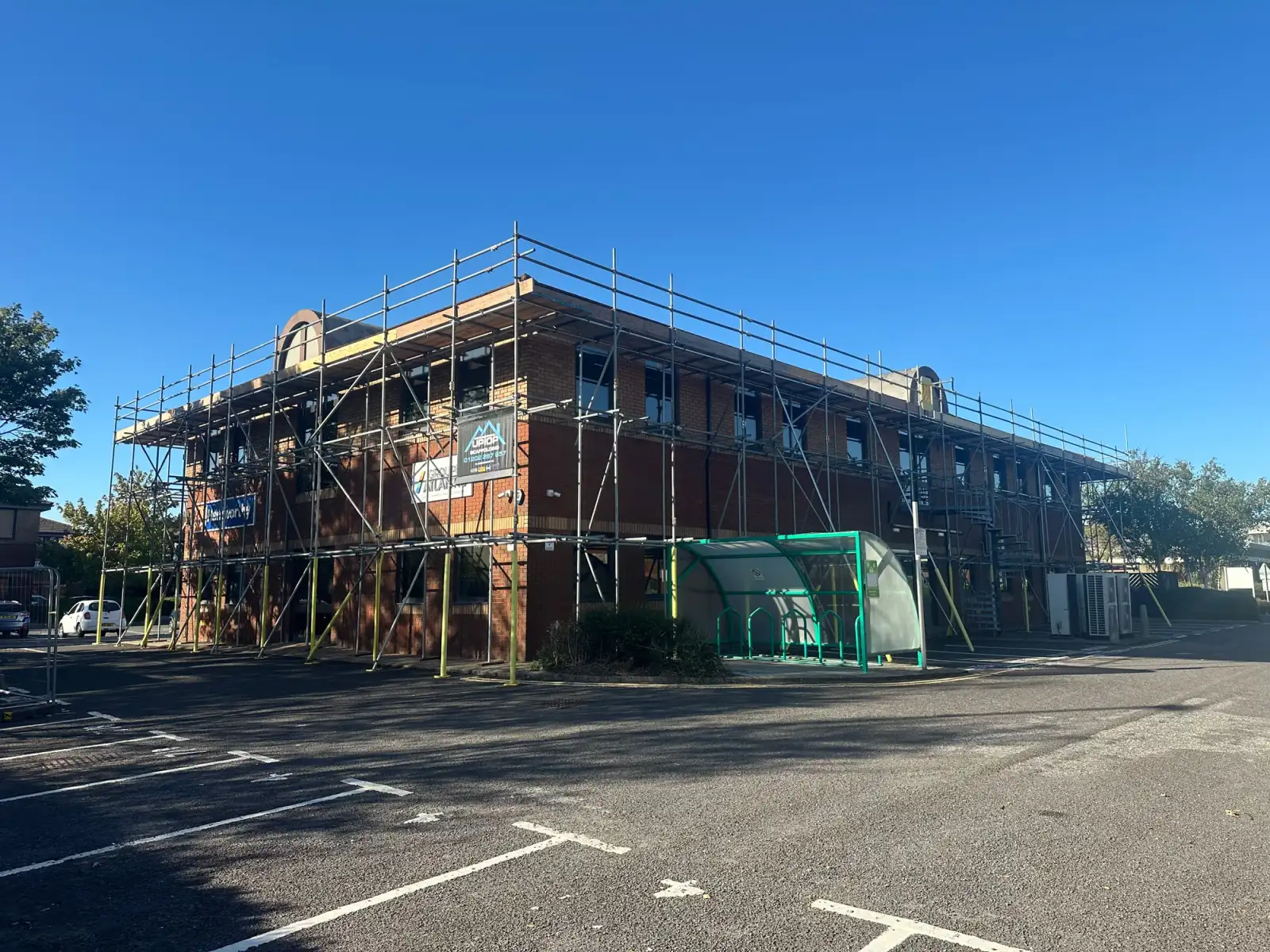
Hoist Gantries
A hoist gantry is part of a planned arrangement for moving materials between delivery level and the work. Its scaffold support, landing positions and interface with the lifting equipment need to be considered together. Discuss your hoist gantry requirements with Up Top Scaffolding when planning material handling for a building project in Poole or the wider Dorset area.
- Free QuoteTell us about your project
- Fully InsuredScaffolding cover
Get a Free Quote
UP TOP SCAFFOLDING
Connect lifting equipment with the scaffold brief
The gantry or support arrangement must match the equipment and the task. A material hoist, a lifting beam and a scaffold loading platform are not interchangeable descriptions. Establish which equipment is proposed, who supplies it and what loads it introduces before choosing the layout of the scaffold around it.
Equipment information may identify support reactions, tie requirements and clearances that are not obvious from the load being lifted. Those details need to reach the scaffold designer and the person coordinating temporary works. A platform that can carry materials at rest should not be assumed suitable for additional forces from lifting or handling them.
Hoist Gantries questions, answered.
Straight answers from the Up Top Scaffolding team before you arrange a survey or quote.
Ask us anythingDoes a hoist gantry quote include the powered hoist?
The equipment supply and scaffold scope need to be agreed explicitly. Provide the proposed hoist details and supplier contact so the support, installation and operating responsibilities can be coordinated.
Is a loading bay enough to support a hoist?
Not without assessment. A loading bay is specified for an agreed duty, while a hoist may introduce different loads and connections. The complete arrangement needs the relevant design and equipment information.
Can one gantry serve several scaffold levels?
That depends on the lifting system and the planned landing arrangement. Identify every level requiring deliveries, together with clearances and the route materials must follow after leaving the hoist.
What happens if the hoist model changes?
Send the replacement equipment information before it arrives. Different reactions, ties, clearances or operating requirements can affect the scaffold support and may require a revised design or installation sequence.
Discuss your site in Dorset or Hampshire
Our Poole base serves projects in Bournemouth, Christchurch and the surrounding Dorset and Hampshire area. Share the site address and the work you need to reach so we can consider the access arrangement for your project.
Match the route from delivery to landing
Think about the entire movement of materials. Delivery vehicles need a workable unloading position, the lifting area needs control, and each landing must give the trade a practical route onward. A hoist placed conveniently at ground level can still cause problems if its upper landing conflicts with ties, guardrails or the finished building.
The intended loads should be described in useful terms: the materials, their dimensions, the handling equipment and how frequently they will move. Changes in the programme can alter those requirements. A roof package arriving later in the build may need a different landing arrangement from the smaller items used during internal fit-out.
Agree responsibilities before installation
We review the scaffold requirements alongside the proposed lifting arrangement and the available site information. The hoist supplier's instructions, relevant design data and the temporary works responsibilities need to be agreed before erection. Ground conditions and any structural supports must be assessed for the combined arrangement rather than treated as separate assumptions.
The installation sequence is coordinated with the lifting equipment provider and site manager. Completed scaffold elements are checked and handed over for their agreed duty, while the lifting equipment has its own installation, examination and operational requirements. Inspections and any planned changes should cover the interfaces between them. Striking is arranged only after the equipment is removed or otherwise dealt with in the agreed sequence.
Control the landing and lifting area
An access platform beside a hoist needs suitable edge protection and a controlled loading arrangement. People should not adapt guardrails or create an informal opening to pass materials. The agreed landing system and working method must allow the transfer without undermining the protection around the scaffold.
Lifting operations also need appropriate planning and competent control. Providing scaffold support does not transfer all responsibility for the hoist or its use to the scaffolding contractor. Tell us if the equipment, load or landing position changes so the support and access specification can be reviewed before that change reaches the site.
Related access for your project
Coordinate lifting access with heavy duty loading bays, traffic management and logistics, large multi-unit building sites and the delivery programme for property developers.
Verified Feedback
What Our Clients Say
Read verified reviews from customers across Dorset & Hampshire.
Request a hoist gantries quote
Send photographs, the proposed work dates and any available drawings with your enquiry. Tell us about access restrictions and the intended hire period. Use the quote form to discuss the next step for your site.