
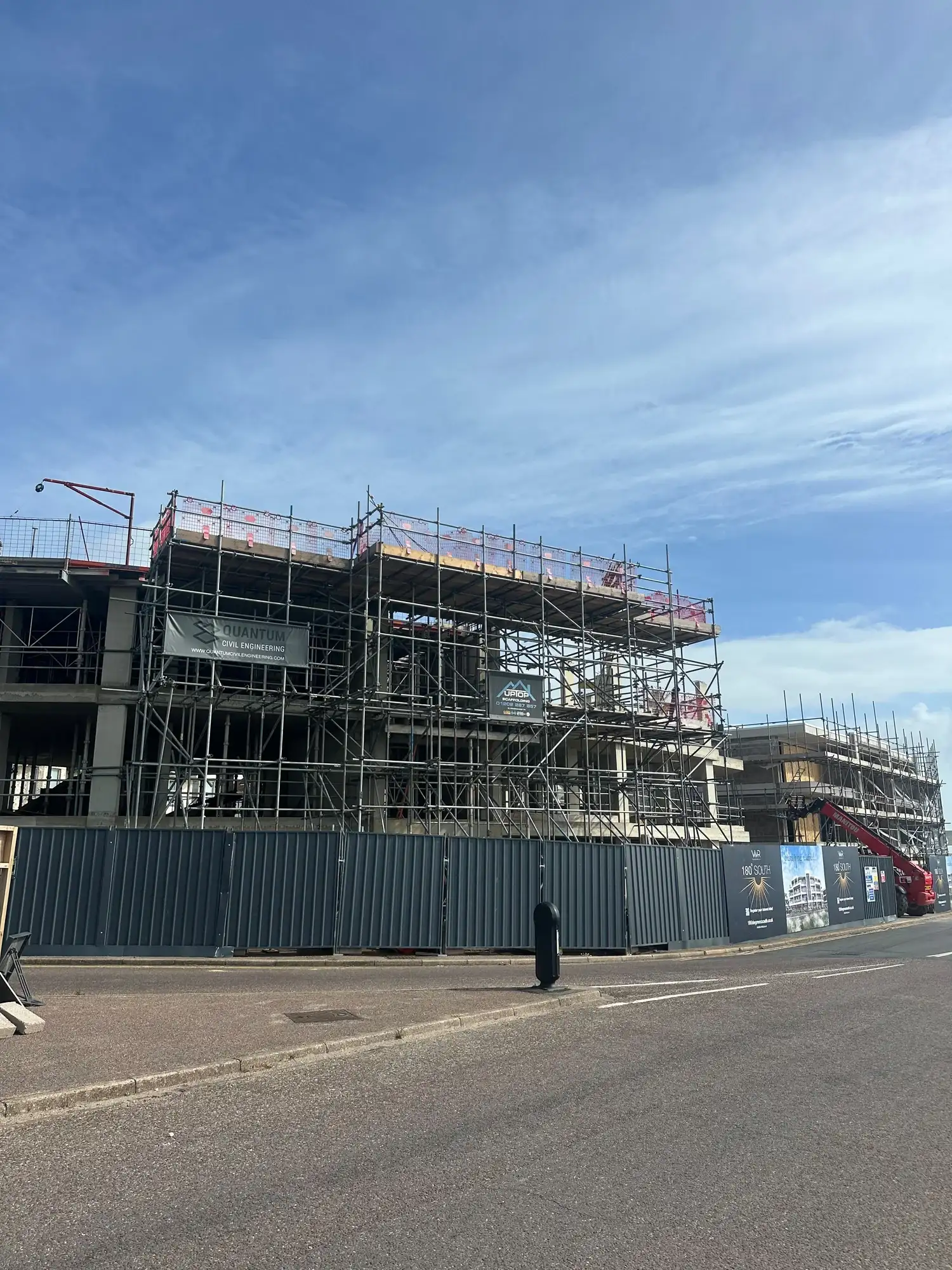
Road Bridge Refurbishment Scaffolding
Road Bridge Refurbishment Scaffolding needs to provide access to the repair area while respecting the bridge’s structural condition and the movement around it. Parapet work, concrete repairs and underside inspection create different support and protection questions. Up Top Scaffolding can discuss a defined access enquiry from its Poole base, with the asset owner and project designers establishing the relevant requirements. General building access should not be assumed suitable for a bridge or evidence of the necessary asset approvals.
- Free QuoteTell us about your project
- Fully InsuredScaffolding cover
Get a Free Quote
UP TOP SCAFFOLDING
Identify the repair face and surrounding users
State whether work is required at the deck edge, parapet, abutment, pier or underside. Include the extent of repair, equipment and material requirements and any need to move between faces. Explain what passes above, beside or beneath the work, which may include road traffic, pedestrians or another controlled asset. The protection and access brief must reflect that setting rather than treating the bridge as a building with an ordinary ground-level perimeter. Provide relevant sections and levels as well as the bridge elevation, particularly where access is required below the deck and the surrounding clearance is difficult to convey.
Road Bridge Refurbishment Scaffolding questions, answered.
Straight answers from the Up Top Scaffolding team before you arrange a survey or quote.
Ask us anythingCan scaffold be supported from an existing bridge parapet?
Only where the relevant structural assessment and design permit it. A parapet must not be assumed to provide a suitable support or anchor for temporary access.
Does a scaffold quotation include road-closure approval?
Do not assume that it does. Authority permissions and traffic arrangements need explicit allocation between the responsible parties, with their requirements reflected in the installation and removal programme.
Can bridge repairs take place above live traffic?
That requires a project-specific assessment and authorised protection arrangement. Ordinary access scaffolding should not be presented as sufficient protection for every repair or falling-material risk.
What if the repair exposes more structural damage?
Refer the new condition through the project’s structural and temporary-works process before changing the scaffold or continuing affected work. The available supports and intended access duty may need reassessment.
Establish permitted support and fixing positions
Provide structural information about the bridge, the affected repair area and any limits on scaffold loads or attachments. Existing parapets, deck edges and nearby ground must not be treated as suitable supports without the relevant assessment. Deterioration or removal of material during repair can change the available conditions. The access and temporary-works designers should understand the construction stages and any restrictions imposed by the asset owner before the scaffold arrangement relies on a proposed connection or bearing.
Coordinate the scaffold with traffic and work windows
Up Top can review the required workfaces and practical access once the relevant survey and entry arrangements are established. The scaffold configuration or design must suit the verified support conditions and stated duties. Erection and handover should fit the authorised protection and closure plan. Agree inspection, defect reporting and alteration responsibilities. Strike also needs a suitable work window and material route, so it must be included in the project programme rather than treated as a simple return visit after repairs.
Keep road controls and access duties coordinated
Traffic restrictions, public-route arrangements and authority permissions need to be agreed by the responsible project and asset parties. A scaffold does not itself provide permission to occupy a carriageway or work over live users. The contractor must manage falling material and the repair method alongside the specified scaffold protection. If a platform, screen or fan is required, define its duty and limitations explicitly. Unplanned attachments or material storage can change the forces acting on the complete arrangement.
Review conditions through the repair sequence
Bridge refurbishment can reveal damage that differs from the original investigation. Establish who assesses new information and how any effect on supports, ties or work positions is referred before continuing. Weather exposure, impact or a changed closure arrangement may also affect the agreed method. Competent inspections and controlled alterations help maintain the scaffold duty, but they do not replace structural decisions or asset-owner releases. Include final inspections and remaining finishing work before confirming that access can be removed.
Bring the asset and refurbishment information together
Related subjects include Infrastructure Scaffold, Bespoke Design Packages and Debris & Protection Fans. For a proposed bridge project near Poole, Bournemouth or Christchurch, send the repair drawings, support information and authority requirements. Include the proposed traffic or public-access arrangements and work windows so the relevant scope, specialist responsibilities and suitability can be established before a scaffold proposal is developed.
Verified Feedback
What Our Clients Say
Read verified reviews from customers across Dorset & Hampshire.