
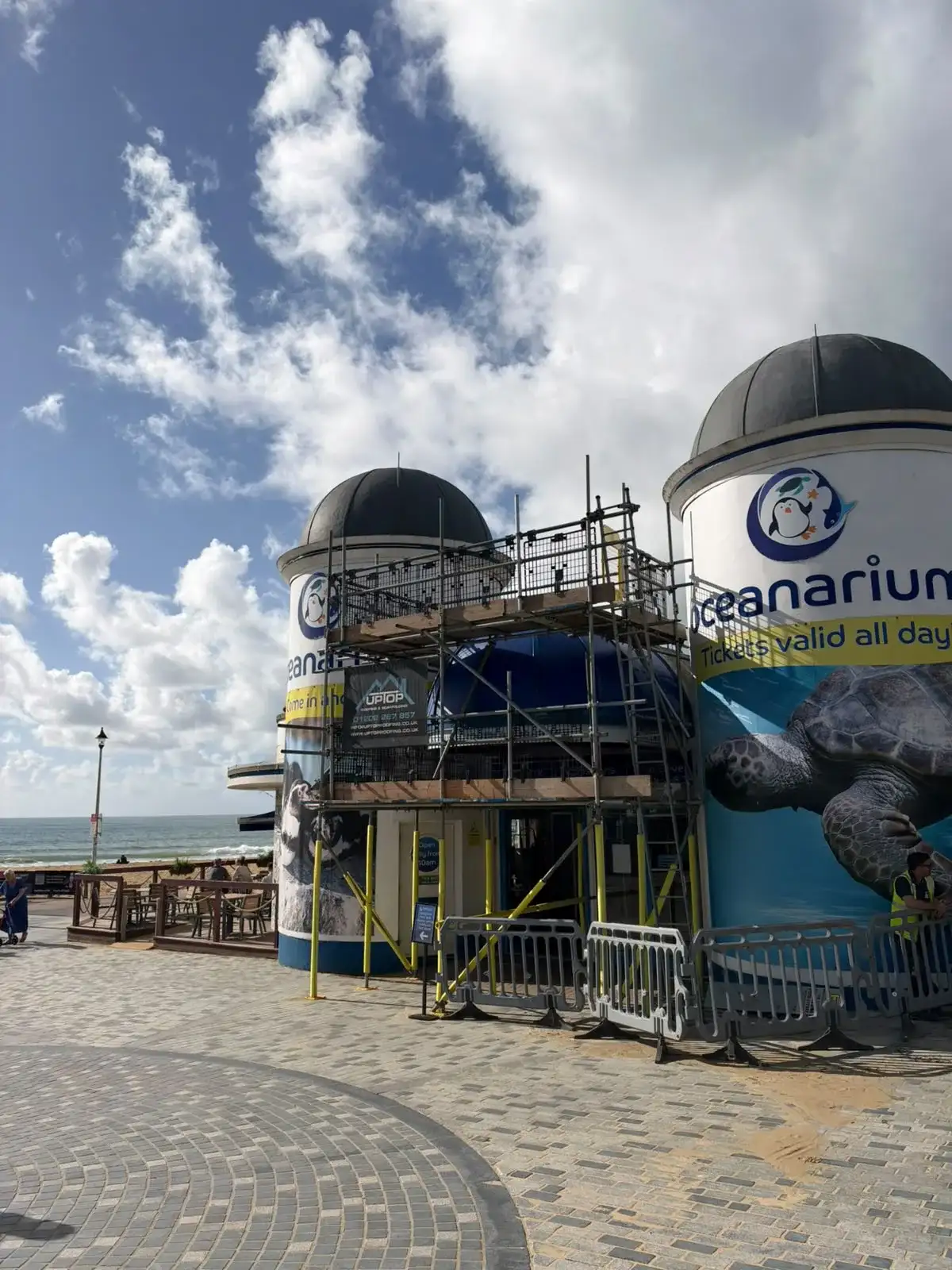
Railway Station Scaffolding
Railway Station Scaffolding must be considered within the railway operator’s control of the station and its operational environment. Passenger access, work windows and asset-specific restrictions can be as important as the height of the repair. Up Top Scaffolding can discuss a proposed access brief from Poole, but relevant rail capability, permissions and delivery arrangements need explicit confirmation before any appointment. General scaffolding experience is not evidence of railway approval or permission to work in a controlled rail area.
- Free QuoteTell us about your project
- Fully InsuredScaffolding cover
Get a Free Quote
UP TOP SCAFFOLDING
Identify the asset and operational boundaries
Provide the station contact and clarify whether the task concerns a public concourse, building exterior, platform structure or another defined area. The owner or operator must establish the applicable requirements and which parts of the site are available. Include the workface, equipment and expected loads, together with restrictions that affect surveys or installation. A station building accessible from a public street may still have interfaces with railway operations that a general building enquiry would not identify. Identify passenger information, lighting or station fixtures near the workface, so their continued operation and accessibility can be considered alongside the proposed platform positions.
Railway Station Scaffolding questions, answered.
Straight answers from the Up Top Scaffolding team before you arrange a survey or quote.
Ask us anythingWhat must be confirmed before commissioning railway station access?
Establish the asset owner’s competence, approval and access requirements for the actual work area. The relevant contractor scope and authorised delivery arrangements must be confirmed before the package is accepted.
Can station passengers use a route below the scaffold?
That requires an agreed station and project protection arrangement. The scaffold’s presence does not itself establish that a passenger route is suitable during erection, use or dismantling.
Who controls isolation of railway equipment?
The appropriate asset and railway parties control operational restrictions and technical releases. The scaffold team must work within those arrangements rather than treating access provision as an isolation.
Can scaffold removal happen outside the main work window?
Only where the asset’s authorised access arrangements allow it. Include dismantling and material removal in the programme rather than assuming those activities can be undertaken at any time.
Coordinate passenger routes and temporary work zones
The station team should define permitted routes, required clearances and any limits on temporary obstructions. Deliveries, component handling and erection may require a different arrangement from the completed scaffold. Consider accessible movement, emergency routes and the need to keep people out of the work area. Temporary signs or a barrier alone do not establish an acceptable passenger management plan; that plan needs agreement with the responsible station and project parties before installation is programmed.
Use the operator’s process for survey and installation
Up Top can review a scaffold enquiry after the relevant entry conditions, competence requirements and proposed scope have been established. The arrangement needs suitable design or configuration for the verified conditions and duty. Erection, checking and handover must fit the authorised work sequence. Agree inspections, defect reporting and alteration controls within the asset’s procedures. Strike also needs an approved work window and material route, rather than being assumed available whenever the final repair is complete.
Keep railway hazards under asset-specific control
Rail movements, electrical equipment and other operational systems may impose specialist restrictions and isolation requirements. These must be defined and controlled by the appropriate railway parties. A scaffold access arrangement does not itself grant permission to work near operational assets or provide a technical release. The design and method must respect the agreed limitations, including any requirements for securing components and preventing materials entering restricted areas. Refer changed conditions before continuing with an affected activity.
Plan for incomplete or interrupted work windows
A limited access period needs realistic allowance for preparation, inspection and safe withdrawal as well as the task itself. Agree what arrangement is acceptable if work cannot reach the anticipated stage before the area is required again. Do not compromise scaffold stability or passenger routes to meet a reopening target. The project should identify the contacts who can assess a changed condition, approve any revised plan and confirm the status of a retained installation between work periods.
Supply the railway requirements at enquiry stage
Related access subjects include Infrastructure Scaffold, Pedestrian Gantries & Walkways and Bespoke Design Packages. For a proposed station project in Poole, Bournemouth or Christchurch, include the asset representative, intended task and access requirements. State the competence and approval conditions up front so the relevant scope and suitability can be confirmed before a scaffold proposal or programme commitment is developed.
Verified Feedback
What Our Clients Say
Read verified reviews from customers across Dorset & Hampshire.