
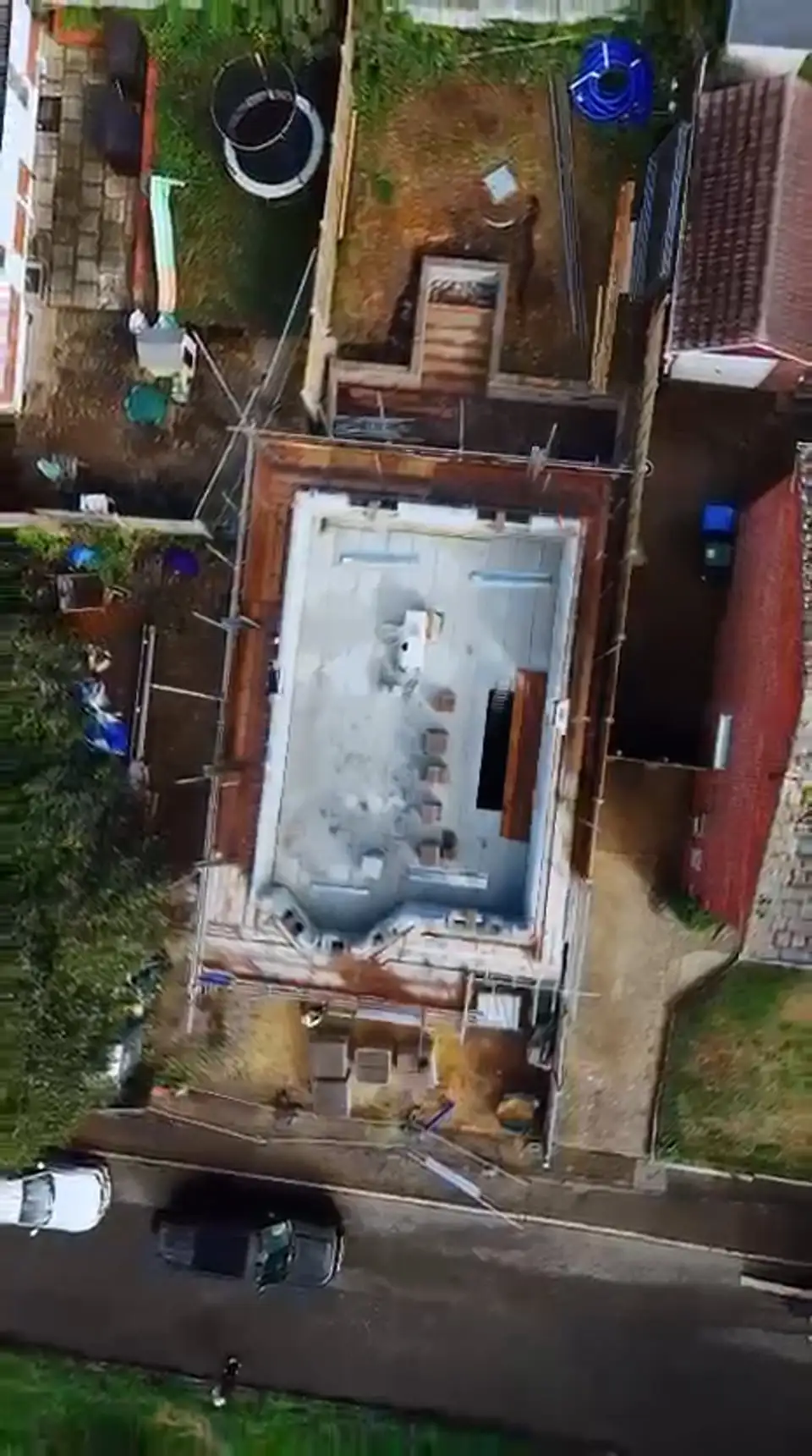
Telecom Tower Scaffolding
Telecom Tower Scaffolding concerns access around a structure that may carry live communications equipment and have tightly controlled support or connection points. It should not be treated as an ordinary building elevation. Up Top Scaffolding can discuss a defined access enquiry from its Poole base, subject to the operator’s requirements and confirmation of suitable specialist scope. Equipment restrictions, structural information and access permissions need to be resolved before a scaffold arrangement is accepted.
- Free QuoteTell us about your project
- Fully InsuredScaffolding cover
Get a Free Quote
UP TOP SCAFFOLDING
Identify the operator and the exact task
State whether the requirement concerns inspection, equipment installation, maintenance or work to the supporting structure. Provide the relevant structure information and identify the operator or asset representative who controls access. The scaffold brief needs the required working positions and loads, not simply the tower height. Explain whether equipment must stay operational and which areas or activities are restricted, so the access proposal does not rely on an assumption that the installation is inactive. Mark the cable and equipment routes affecting component handling, and identify any operator-controlled areas that appear open physically but remain unavailable to the scaffold crew.
Telecom Tower Scaffolding questions, answered.
Straight answers from the Up Top Scaffolding team before you arrange a survey or quote.
Ask us anythingCan the scaffold be tied directly to the telecom tower?
Only where the relevant structural information and agreed design permit the connection. A tower should not be assumed to provide a suitable scaffold tie simply because it is nearby.
Does scaffolding provide permission to approach live antennas?
No. The operator must identify the relevant restrictions and appropriate control arrangements. An access scaffold does not replace equipment-specific permissions, isolations or competence requirements.
Can antenna equipment be stored or mounted on the scaffold?
That use requires explicit agreement and design consideration. Access platforms should not be used as equipment supports or storage positions beyond their stated duty.
What should accompany a tower access enquiry?
Provide the operator contact, structure information, intended task and working positions. Include equipment restrictions and site access requirements so the appropriate specialist scope can be confirmed.
Establish support and connection limitations
A telecom structure must not automatically be treated as an available anchor for an independent scaffold. The appropriate structural parties need to confirm permitted connections, capacities and any effects on the existing installation. Ground positions may be limited by compounds, cable routes or buried services. Survey information should also identify access for material deliveries and the space needed during erection. Where the initial information is incomplete, resolve the structural and operational constraints before committing to an installation layout.
Coordinate design and installation with the asset team
Up Top can discuss site survey arrangements once operator entry requirements and the proposed scope are clear. The access system needs an appropriate design or configuration for its verified conditions. Erection and handover should follow the authorised sequence, with any equipment or area releases provided by the responsible parties. Agree inspections, defect reporting and authorised alterations. Strike must be coordinated with the asset team and remaining technical work, including the route for removing components from the compound.
Keep operational safety responsibilities explicit
Live equipment, electrical systems and radio-frequency exposure can impose restrictions that the operator must identify and control through the appropriate competent arrangements. Scaffold access does not itself establish permission to approach, touch or work on communications equipment. The access method must respect specified exclusion areas and any agreed isolation conditions. Do not change a platform or use the scaffold as a support for antenna equipment unless that duty has been specifically reviewed and included in the authorised arrangement.
Plan for exposure and changing conditions
An exposed tower site may present different wind and weather conditions from a sheltered building. Equipment, coverings or temporary attachments can also change the forces acting on a scaffold. The design brief and use restrictions need to account for the actual situation. Establish what happens if weather or an operational change makes the planned task unavailable. Report damage, movement or a mismatch with the approved information before continuing to use the affected access, rather than adapting the structure informally.
Send structural and operator information together
Related access topics include Steel Scaffolding, Bespoke Design Packages and Edge Protection. For a proposed installation in Poole, Bournemouth or Christchurch, provide the task, asset details and relevant entry requirements. Include available support information, required work positions and operator restrictions so suitability, specialist responsibilities and the delivery scope can be established before a scaffold quotation is prepared.
Verified Feedback
What Our Clients Say
Read verified reviews from customers across Dorset & Hampshire.