
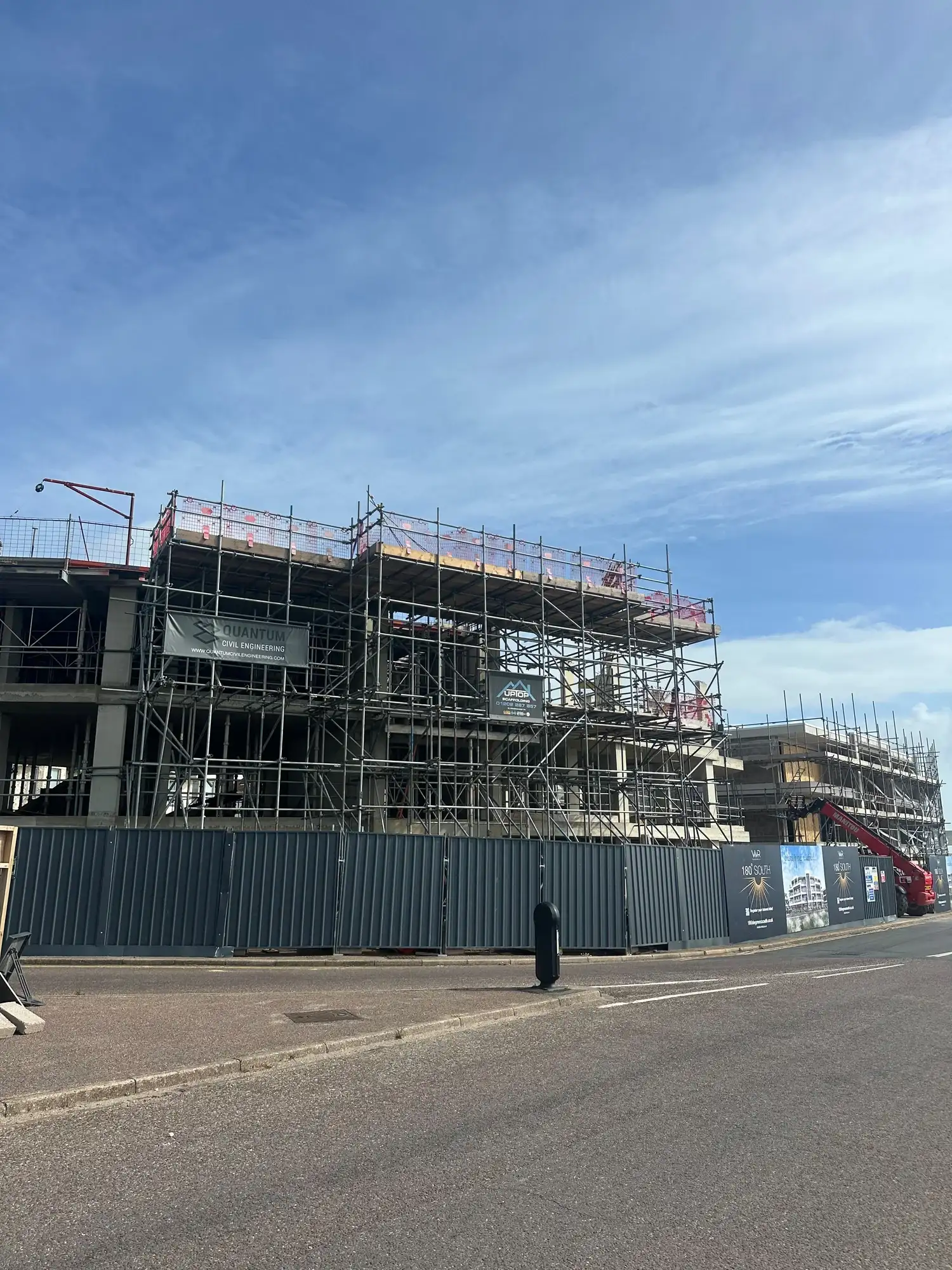
Factory Maintenance Scaffolding
Factory Maintenance Scaffolding is planned around the needs of the plant manager and maintenance team: reaching the right component without creating an unplanned production problem elsewhere. Access to ductwork, a building bay or high-level equipment may have a short available window and a tightly controlled work area. Up Top Scaffolding can discuss a defined maintenance-access brief from Poole, with the plant’s operating constraints, required competence and suitable delivery scope established before a package is agreed.
- Free QuoteTell us about your project
- Fully InsuredScaffolding cover
Get a Free Quote
UP TOP SCAFFOLDING
Identify the maintenance target and outage conditions
Explain exactly which task the maintenance team needs to perform and where operatives must stand to do it. Include tools, replacement components and any handling equipment. The access brief should distinguish a shutdown area from adjacent equipment that remains operational. A production line stopping does not automatically make every nearby system safe or available for scaffold work, so identify the technical contact who controls releases and any restrictions affecting the proposed work zone. A marked maintenance drawing should distinguish the replacement item from neighbouring equipment, particularly where several similar production bays make the intended work position easy to confuse.
Factory Maintenance Scaffolding questions, answered.
Straight answers from the Up Top Scaffolding team before you arrange a survey or quote.
Ask us anythingCan scaffold installation be included in a shutdown window?
It can be discussed as part of the programme, subject to scope, access and availability. Allow time for erection, checks, handover and strike rather than allocating only the maintenance task itself.
Does a stopped production line count as an isolation?
Do not assume that it does. The responsible plant parties must establish the required technical isolations and releases before scaffold or maintenance work relies on those conditions.
Can maintenance staff move a platform to reach another component?
Scaffold alterations need the agreed competent process. Refer changed work positions before use, even when a maintenance window is short and the alteration appears minor.
What information does the plant manager need to supply?
Identify the target task, work window, operating equipment, delivery routes and relevant support conditions. Include the plant’s permit, entry and environmental requirements with the initial enquiry.
Protect production routes and installed equipment
Material delivery, scaffold erection and dismantling need space as well as the final installation. Map forklift routes, emergency access and the maintenance team’s approach to the equipment. Floors, pits, trenches and machinery may limit the available bearing positions. The plant should provide relevant capacity and condition information rather than asking the scaffold team to infer suitable supports. Explain any requirements for protecting equipment, managing loose items or controlling the work environment during the maintenance period.
Put the access sequence inside the shutdown plan
Up Top can discuss survey arrangements and the required work positions with the responsible plant contact. The scaffold configuration or design should reflect the verified conditions and declared loads. Schedule erection, checks and handover before the maintenance activity depends on the platform. Define inspections, reporting and authorised alterations during use. Strike must also fit the restart programme, including a clear point for the plant team to confirm that access is no longer needed and the area can be released.
Keep isolation and scaffold duties separate
The plant’s competent parties control equipment isolations, operational permits and technical releases. A scaffold installation does not establish those conditions or authorise work on machinery. Maintenance contractors must also assess their task-specific hazards and any lifting operation. If the planned scope changes, review its effect on the scaffold duty and operating restrictions before introducing another team or component. Do not fix equipment, lifting devices or temporary services to scaffold members without an explicitly agreed arrangement.
Prepare for discoveries during maintenance
An inspection may reveal additional work, a replacement part may differ in size, or an equipment cover may obstruct the intended platform position. Establish how such changes are assessed and communicated during the available window. Scaffold components should not be altered by maintenance personnel to recover programme time. Retain access for required inspections and report impact or damage promptly. A controlled change process is particularly important when the pressure to restart production is high and several teams are working nearby.
Send the maintenance method and operating constraints
Related access topics include Industrial Scaffolding, Ceiling Access Scaffolding and Specialist Scaffold Works. For a factory enquiry in Poole, Bournemouth or Christchurch, provide the maintenance task, proposed work window and available support information. Include the plant’s entry and permit requirements, and identify any equipment that remains live, so the access scope can be reviewed around the real operational constraints.
Verified Feedback
What Our Clients Say
Read verified reviews from customers across Dorset & Hampshire.