
Facilities Management
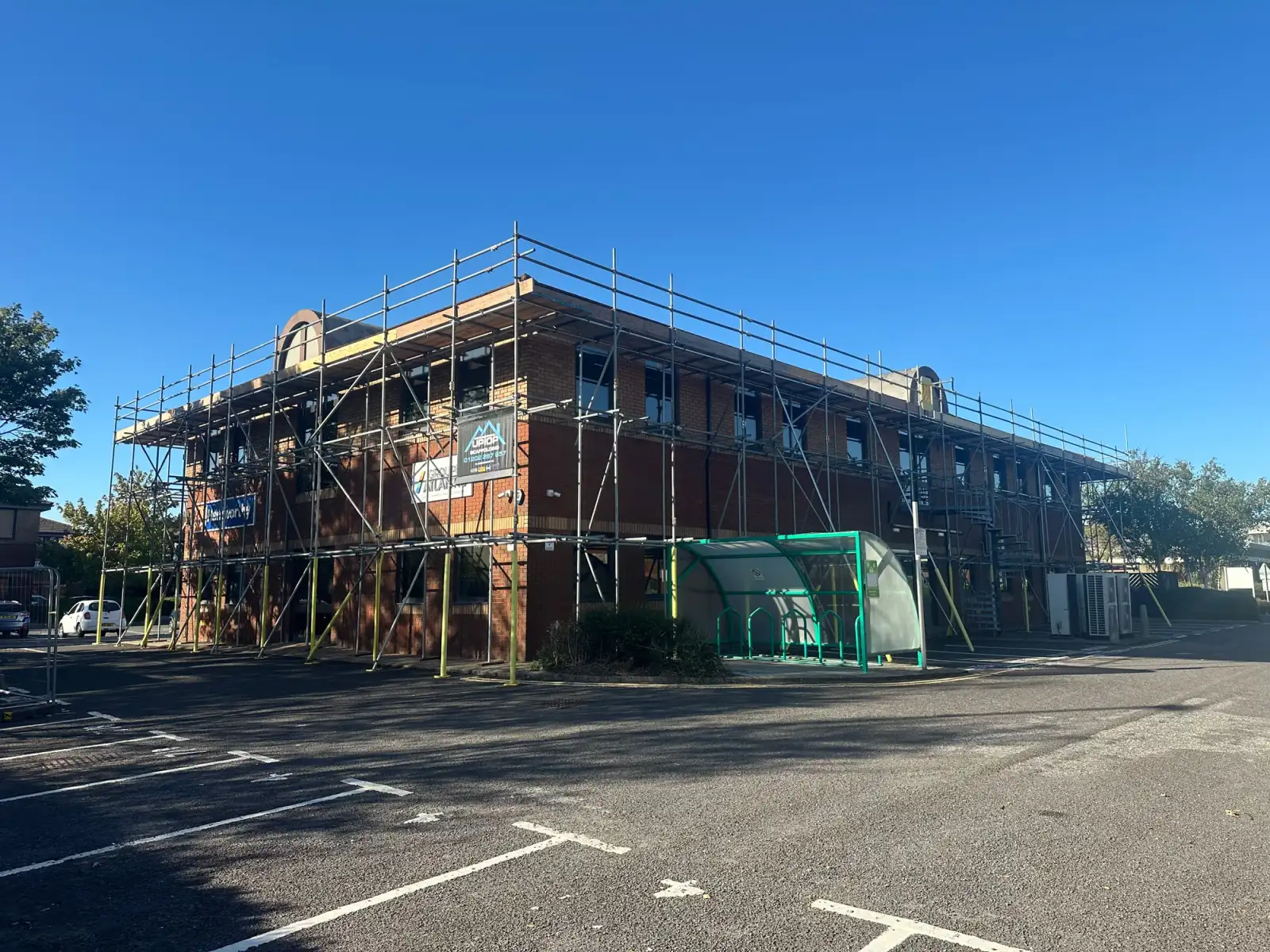
Facilities Management teams need access that allows planned maintenance to proceed while the building continues to serve its users. Roof repairs, external decoration and high-level investigations may involve different contractors but the same entrances, parking and operational constraints. Up Top Scaffolding can discuss those interfaces from Poole across Dorset and Hampshire. The published New Fields Business Park project records scaffolding for roofing and painting works, providing a relevant example of coordinated access around commercial premises.
- Free QuoteTell us about your project
- Fully InsuredScaffolding cover
Get a Free Quote
UP TOP SCAFFOLDING
Start with the building’s operating pattern
Explain who uses the building, which routes must remain available and when disruption is most difficult. Deliveries, accessible entrances, fire routes and staff shift changes all influence the scaffold plan. A quiet frontage during the site survey may become busy at another time of day. Include tenant or occupier requirements and any permit-to-work arrangements so the contractor team understands the building’s practical restrictions before materials arrive. Ask occupier representatives to identify recurring delivery or access conflicts before dates are fixed. An agreed route and named building contact can prevent the maintenance package being delayed by a restriction that is familiar locally but absent from the drawings.
Facilities Management questions, answered.
Straight answers from the Up Top Scaffolding team before you arrange a survey or quote.
Ask us anythingCan several maintenance contractors share the same scaffold?
They may be able to where their tasks, loads and working positions fit the agreed arrangement. Identify all intended users and appoint a clear contact for coordinating alterations.
Will the main entrance stay open during installation?
That depends on the erection method and protection requirements. Agree any temporary closure or alternative route in advance rather than assuming the completed scaffold arrangement applies during erection.
Who should report scaffold defects at occupied premises?
Set an agreed reporting route for the facilities team and building users. Damage, unauthorised changes or blocked access should be communicated promptly to the responsible site and scaffold contacts.
Can scaffold hire allow for a later snagging visit?
Discuss the full maintenance sequence and anticipated return visits before removal is planned. The appropriate arrangement depends on the hire terms, remaining tasks and available access dates.
Combine maintenance tasks where the brief permits
Several trades may need access to the same elevation at different stages. Describe roof, gutter, window, decoration or survey tasks and their intended working positions. Sharing a scaffold can be useful, but each use must fit the specified duty and programme. Specialist equipment, material storage or changes to the workface may require adjustments. A maintenance schedule should identify the final high-level checks and snagging so removal does not leave a small outstanding job without suitable access.
Agree a controlled installation and handover
Up Top can survey the access positions and discuss the building restrictions with the responsible contact. The proposed configuration or design should reflect the work and its loads. Plan erection with a suitable work zone and any necessary entrance arrangements, then hand over the available lifts and restrictions. Agree inspections, the process for reporting defects and the contact authorised to instruct changes. Dismantling needs the same coordination with occupiers, deliveries and pedestrian movement as installation.
Keep operations and scaffold controls connected
The facilities team should know how to report a damaged barrier, blocked route or unexpected contractor request. A cleaner or maintenance technician should not modify scaffold components to reach a detail or move a delivery. Changes to alarms, external lighting, signage or security coverage may also need discussion where scaffolding affects the building frontage. Clear communication helps the building operator distinguish an access issue requiring the scaffold team from a task belonging to the maintenance contractor.
Plan for occupants without promising universal access
Whether an entrance can remain open depends on the works and the agreed protection arrangement. Scaffold access does not remove the need for task-specific controls, particularly where people could be exposed to falling materials. Authority permissions may be relevant at a public boundary. Inspection arrangements must account for changes and events affecting safety. The Oceanarium project shows scaffold access around an entrance while visitors continued to use the attraction, with a site-specific arrangement.
Send the maintenance and occupancy brief together
Explore Commercial Scaffolding, Pedestrian Gantries & Walkways and Scaffold Inspections. For premises in Poole, Bournemouth or Christchurch, include the work schedule, intended users and any access restrictions. Supply the building contact and completion requirements so scaffold hire, alterations and strike can be discussed around the actual maintenance programme rather than an assumed period with unrestricted access.
Verified Feedback
What Our Clients Say
Read verified reviews from customers across Dorset & Hampshire.