
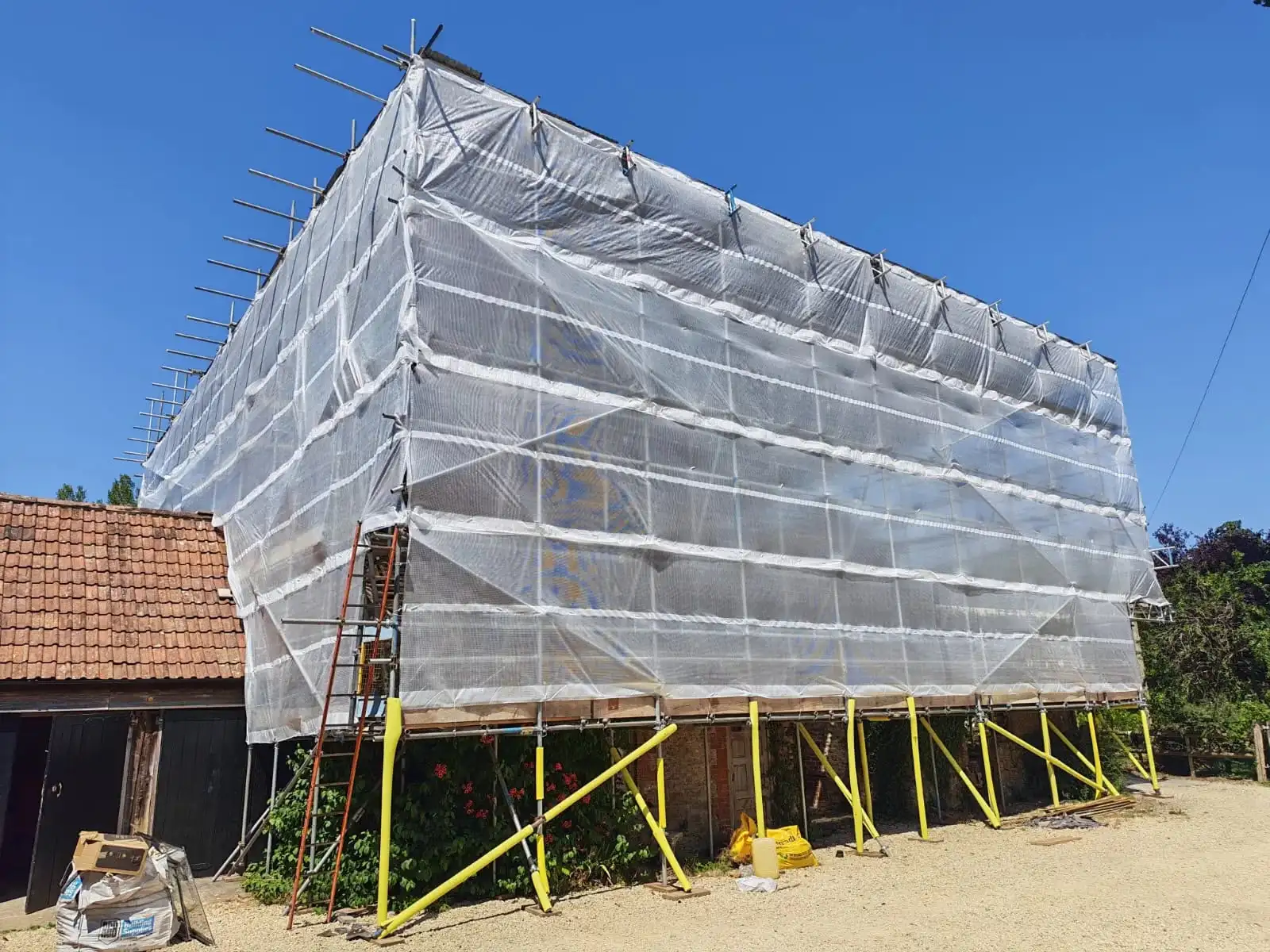
Water Treatment Works Scaffolding
Water Treatment Works Scaffolding needs an access plan that recognises the facility as an operating process environment. Inspection or maintenance around a tank, building or treatment asset may involve restricted areas and controls that differ from ordinary building work. Up Top Scaffolding can discuss a clearly defined enquiry from Poole, subject to confirmation of suitable scope and the operator’s requirements. Asset access, hygiene, isolation and any confined-space responsibilities must be established by the appropriate competent parties before a package is agreed.
- Free QuoteTell us about your project
- Fully InsuredScaffolding cover
Get a Free Quote
UP TOP SCAFFOLDING
Define the treatment asset and task
Explain where access is required, what operation will take place and which parts of the process remain active. Provide the work positions, tool and equipment loads and any known restrictions on fixing or supporting the scaffold. An external building repair may have different requirements from access inside a process asset. The initial brief should make that distinction clear, identifying the operator contact who can explain the facility’s technical boundaries and approved access conditions. Identify which operational changes could alter the agreed work area during hire, including any process release that must be renewed before a planned alteration or removal.
Water Treatment Works Scaffolding questions, answered.
Straight answers from the Up Top Scaffolding team before you arrange a survey or quote.
Ask us anythingDoes scaffolding provide permission to enter a treatment tank?
No. Entry conditions, isolation and any confined-space arrangements must be established through the operator’s competent process. A scaffold platform does not replace the required assessment or authorisation.
Can scaffold supports stand on a tank cover?
Only where the relevant support capacity and condition have been verified for the proposed loads. Accessible surfaces should not be assumed suitable bearing positions.
Who specifies water-quality and hygiene measures?
The operator and appropriate project specialists define the required measures. Include them in the enquiry so their effect on scaffold materials, handling and working methods can be assessed.
Can the access remain while the process restarts?
That requires deliberate review through the operator’s release process. A maintenance handover does not establish that a retained scaffold is compatible with the asset’s operational conditions.
Obtain support and condition information
Tanks, channels, service areas and buried infrastructure can restrict possible bearing positions. The appropriate asset and structural parties should establish suitable supports and any limitations on imposed loads. Do not assume a cover, walkway or tank edge is available for scaffold loading because it appears accessible. Include the route for material delivery and the space required during erection. Where water levels, operational changes or maintenance activities could affect that route, identify the relevant sequence before installation is proposed.
Coordinate survey and temporary access delivery
Up Top can discuss survey arrangements once operator entry requirements and the intended scope are clear. The proposed access needs an appropriate configuration or competent design for its conditions. Agree erection stages, safe work areas and a defined handover before the maintenance task starts. Set inspection and reporting responsibilities, together with the authorised alteration process. Strike must follow the facility’s controls, including the route for component removal and any agreed checks before the affected area returns to operation.
Separate scaffold access from specialist process controls
Water-quality, hygiene and contamination requirements are for the operator and appropriate specialists to define. Likewise, confined-space entry, atmospheric assessment, isolation and rescue arrangements need their own competent planning where relevant. Scaffold installation is not a substitute for those controls and does not authorise entry to a restricted asset. Explain the task-specific requirements before survey so the scaffold scope can be assessed honestly, rather than relying on a general maintenance method in a specialist process environment.
Keep the arrangement suitable as conditions change
Treatment operations and maintenance programmes can introduce changes to access, water levels or the activities nearby. Establish who communicates those changes and who can authorise a revised scaffold arrangement. Prevent unauthorised use and keep inspection routes available. Report damage, unexpected movement or a mismatch with the supplied information before continuing to rely on the affected area. A temporary platform should not become an attachment point for process equipment or lifting devices unless that duty has been explicitly reviewed and agreed.
Provide the operator’s requirements with the enquiry
See Infrastructure Scaffold, Confined Space Scaffolding and Access Walkways when identifying associated access needs. For a proposed works in Poole, Bournemouth or Christchurch, provide asset information, the maintenance method and relevant entry requirements. Include the expected work window and specialist controls so the team can confirm capability, interfaces and the appropriate scaffold scope before a quotation is developed.
Verified Feedback
What Our Clients Say
Read verified reviews from customers across Dorset & Hampshire.