
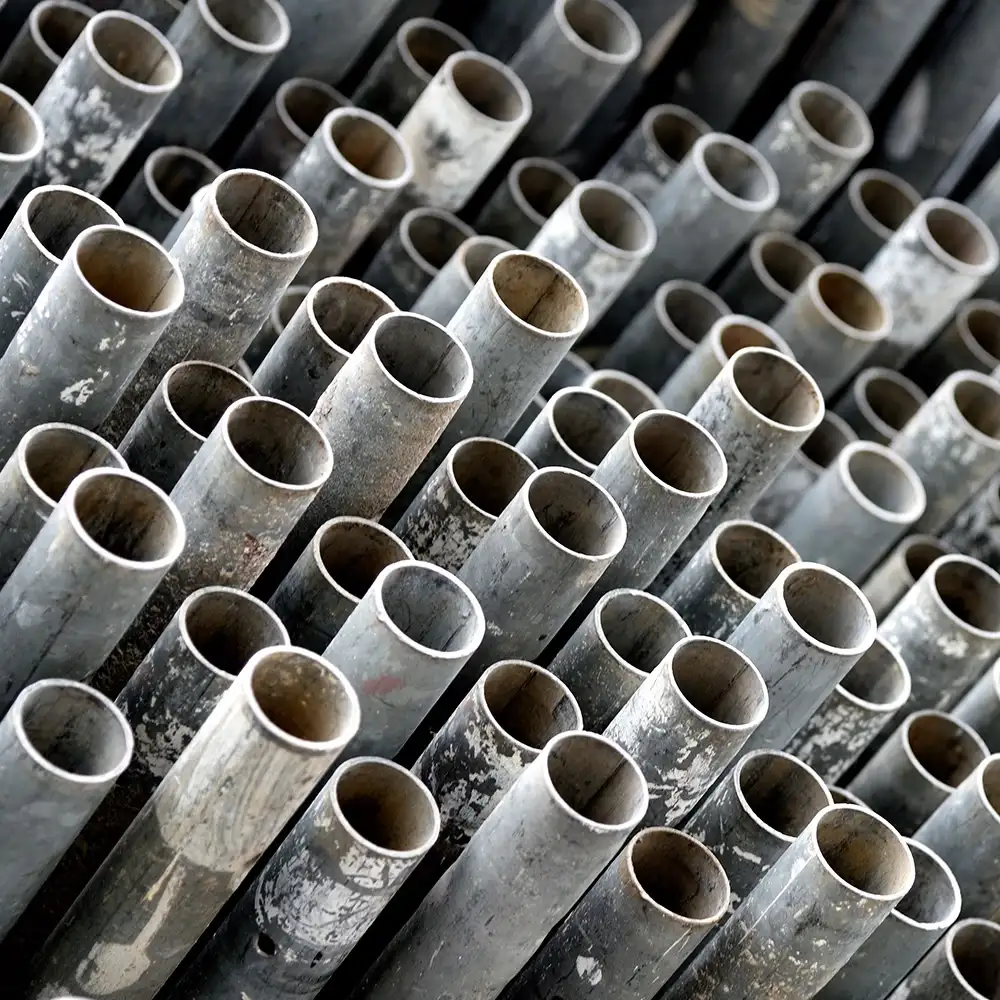
Steel Scaffolding
Steel Scaffolding describes the material used for the load-bearing scaffold framework, rather than a single fixed layout. Steel tubes and fittings can be arranged around varied building shapes, but the material alone does not establish platform capacity or suitability. Up Top Scaffolding helps clients in Poole, Bournemouth, Christchurch and the surrounding region discuss the access geometry, working loads and delivery requirements that make a scaffold useful for the intended job.
- Free QuoteTell us about your project
- Fully InsuredScaffolding cover
Get a Free Quote
Why material and configuration need separate decisions
A steel scaffold may provide access for masonry repairs, roof replacement or a large façade refurbishment. Its practical advantage is the range of arrangements that competent design and assembly can achieve with the right components. The working platform still needs appropriate supports, guardrails and access. Calling a scaffold heavy duty because it uses steel is not a substitute for identifying its permitted loads.
Steel components are also substantial items to transport, handle and position. A site with narrow paths, steps or a remote rear elevation may need a different delivery and carrying plan from one with direct vehicle access. Tell us about finished surfaces, occupied areas and restrictions on storage before the quotation is prepared. The route to the scaffold can matter as much as the outline of the scaffold itself.
Steel Scaffolding questions, answered.
Straight answers from the Up Top Scaffolding team before you arrange a survey or quote.
Ask us anythingDoes steel scaffold automatically have a higher loading capacity?
No. Capacity depends on the complete arrangement, components, supports and design. The intended loads must be assessed and communicated for the particular scaffold.
Can I add sheeting to a steel scaffold later?
Only after discussing it with the scaffolding team. Sheeting changes wind loading and may require a different tie arrangement or design review, regardless of the frame material.
What affects delivery of steel scaffold to a rear garden?
Vehicle access, carrying distance, steps, narrow passages and space for safe stacking all matter. Photographs of the entire delivery route help the team plan handling and protect finished surfaces.
Should scaffold users replace damaged steel components themselves?
No. Report damage and keep people away from an unsafe area. The scaffolding team should assess the defect and arrange any necessary repair or alteration through competent people.
Translate the trade requirements into an access brief
Up Top starts by understanding the work locations and what people will take onto each lift. Brick storage, cladding packs and a decorator carrying hand tools create different loading questions. Platform widths, working heights and loading positions should follow that information. We also consider the ground and the available places for ties or other stabilisation when reviewing the proposed arrangement.
Some tube-and-fitting layouts can follow a recognised standard configuration; others require a bespoke calculation by a competent person. Bespoke design packages are relevant where the loads, spans or site constraints depart from a standard solution. Adding a hoist, sheeting or a protection feature after installation can change the design assumptions, even where the steel framework appears unchanged.
Erection, condition checks and controlled alterations
The agreed method should allow components to be delivered and erected within a controlled work area. During assembly, the sequence maintains stability and manages fall risks for the scaffolders. The completed scaffold is inspected before handover, with its intended use and restrictions explained. Routine inspection arrangements then continue while the structure is hired, including checks after events that may affect its safety.
Users should report damage, missing components or interference with ties promptly. Steel does not make a scaffold immune to impact, corrosion or incorrect alteration. Moving a board or removing a brace can change the working arrangement. When the access is no longer required, dismantling needs the same attention to segregation, handling and the protection of the building as the original erection.
Discuss the whole package rather than material alone
Explore our tube and fitting service for adaptable scaffold arrangements and scaffolding for builders for coordination with a building programme. Scaffold inspections are another part of managing the access throughout use. The New Fields Business Park project shows existing external scaffold work rather than a universal specification for every steel scaffold.
Send photographs and a description of the trade activities to our Poole team, or view coverage in Bournemouth and Christchurch. Include intended material loads, the proposed hire period and any changes expected as the job progresses. Those details support a more useful discussion than selecting a scaffold solely by the material from which it is made.
Verified Feedback
What Our Clients Say
Read verified reviews from customers across Dorset & Hampshire.