
Civil Engineering
Civil Engineering access starts with the structure, the environment and the operation to be carried out. Inspection of a concrete element, repair to a retaining wall and access beside an infrastructure workface can create very different scaffold duties. Up Top Scaffolding can discuss the scaffold package from its Poole base, coordinating access requirements with the project team. Specialist asset permissions and structural information must be established for the particular site, rather than inferred from a general infrastructure description.
- Free QuoteTell us about your project
- Fully InsuredScaffolding cover
Get a Free Quote
UP TOP SCAFFOLDING
Define the workface and the permitted supports
Civil works may offer few of the convenient ground and tie positions found around a conventional building. Explain whether access is required from below, alongside or above the structure, and provide information about permitted supports and connections. Include inspection or repair equipment, anticipated loads and the extent of the workface. Where bearing capacity or existing structural condition is uncertain, that needs appropriate assessment before a proposed arrangement can rely on it. Plans, sections and relevant levels help explain access below a deck or beside an irregular structure where a simple frontage photograph would conceal important constraints.
Civil Engineering questions, answered.
Straight answers from the Up Top Scaffolding team before you arrange a survey or quote.
Ask us anythingCan an access scaffold support civil-engineering formwork?
That duty must be specified separately and designed accordingly. An ordinary access scaffold should not be assumed suitable to carry formwork or loads from fresh construction materials.
How do nearby excavations affect scaffold planning?
Their location, depth and sequence may affect bearing conditions and access. Supply the excavation information early and refer changes before they affect the installed scaffold or its supports.
Which asset-owner requirements belong in the civil works brief?
Supply the applicable entry permissions, competence conditions and restrictions on loads or connections. The project team should establish these with the asset owner before a scaffold arrangement relies on them.
Can scaffold access be phased through a repair programme?
A staged arrangement may be possible where the duties and support conditions are planned for each phase. Include the proposed inspection and repair sequence in the initial brief.
Coordinate with earthworks and plant movement
Excavations, backfilling and temporary haul routes can change the area around scaffold bases. The working space required by plant may conflict with ties, bracing or scaffold access points. Show the construction sequence and the parts of the site that remain available for delivery and erection. Water, mud and changing ground levels also affect the practical use of the scaffold. A workable arrangement must consider those conditions through the hire period, including the route needed for dismantling.
Agree the temporary-works delivery sequence
Up Top can review the access brief and practical installation constraints with the civil-engineering team. The configuration or design must reflect the stated duties, with specialist design input where required. Plan erection around other temporary works and hand over the available areas with clear limits. Assign inspection and alteration responsibilities, and identify the stage releases needed before supports or access can be removed. Strike should follow the agreed sequence so completed permanent work and remaining temporary structures are not compromised.
Distinguish access from structural support
A platform for inspection does not automatically support the structure being inspected. Likewise, scaffold materials used within a support scheme need an explicit designed duty. Interfaces with propping, formwork, falsework or lifting operations should be described and allocated between the responsible parties. Do not assume that neighbouring temporary works can share loads or connections because they occupy the same space. Changes to a support condition or construction stage need review before they affect an installed access arrangement.
Respect asset-specific controls
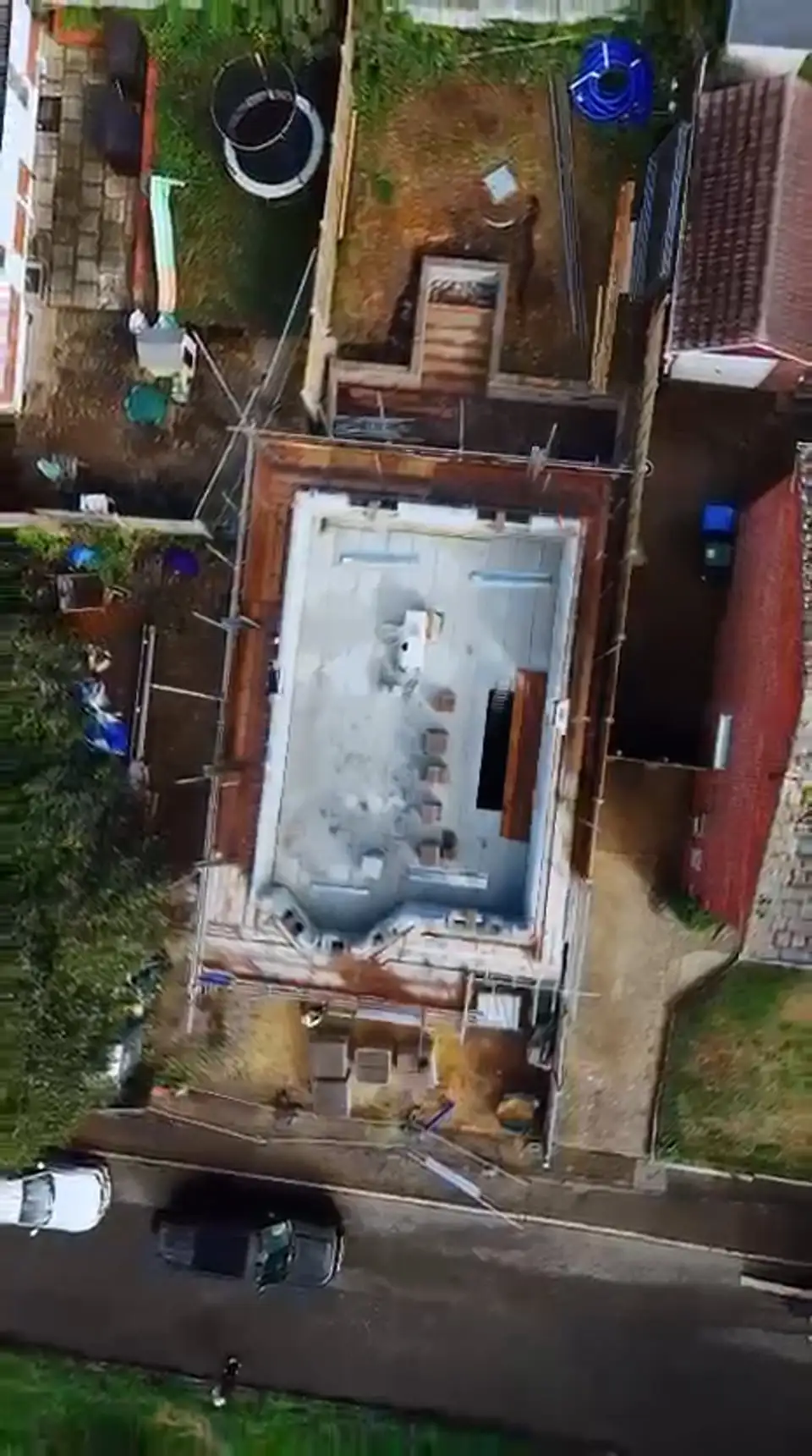
Some infrastructure environments introduce additional access permissions, operational restrictions or hazards. The asset owner and principal contractor should define these requirements, including who controls isolations and when work areas are released. Scaffold inspection records are only one part of that wider system. The Parkstone new-build case study illustrates construction access locally; discuss the additional structure-specific requirements of your civil project in the enquiry rather than assuming an equivalent arrangement will be suitable.
Provide the engineering information with the enquiry
Related topics include Infrastructure Scaffold, Propping & Access Ramps and Bespoke Design Packages. For a project in Poole, Bournemouth or Christchurch, provide available drawings, expected access duties and the civil-works sequence. Include ground constraints and asset-owner requirements so the team can discuss the scope and the information needed to develop a coordinated scaffold proposal.
Verified Feedback
What Our Clients Say
Read verified reviews from customers across Dorset & Hampshire.